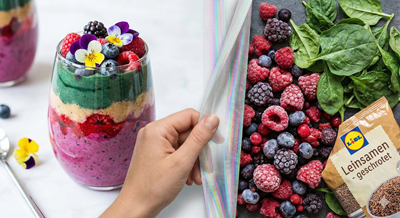
We have all been there. You are scrolling through social media and see an influencer making a smoothie with five different powders, berries from the Amazon rainforest, and seeds you can’t pronounce. They call them "superfoods," and they promise infinite energy, glowing skin, and perfect health.
But here is the truth the wellness industry doesn't want to tell you: "Superfood" is a marketing term, not a scientific one.
There is no regulatory definition for a superfood. Often, it is just a label slapped on exotic fruits to justify a high price tag. Today, we are looking at the data to see if these foods are worth the hype—and what you should be eating instead.
1. The Nutrient Density Myth
The main argument for superfoods is "nutrient density"—the amount of vitamins and minerals per calorie. While it is true that Goji berries and Spirulina are nutrient-dense, they aren't the only foods that are.
Your body doesn't care if your Vitamin C comes from an expensive Camu Camu berry or a standard Red Bell Pepper. It just cares that it gets the Vitamin C.
2. The Showdown: Exotic vs. Everyday
Let’s look at the numbers. Often, "boring" local food beats the expensive import.
- Kale vs. Spinach: Kale gets all the glory, but spinach is actually richer in Vitamin K, Vitamin A, and Folate. Plus, it is usually cheaper and easier to find.
- Chia Seeds vs. Flax Seeds: Both are incredible sources of Omega-3s and fiber. However, ground flax seeds are often half the price of chia seeds and offer a very similar nutritional profile.
- Acai vs. Blueberries: Acai is marketed for antioxidants. But wild blueberries are arguably the antioxidant kings, packed with anthocyanins that protect your cells, often at a fraction of the cost (especially if you buy frozen).
3. The Real "Superfoods" (That Nobody Talks About)
If we define a superfood as something packed with essential micronutrients, here are the unsung heroes you should actually be tracking:
- Liver: It’s not popular, but beef liver is nature's multivitamin. It is packed with Vitamin A, B12, and Iron in amounts that dwarf almost any fruit or vegetable.
- Sardines: These small fish are loaded with Omega-3s, Calcium, and Vitamin D.
- Potatoes: Yes, white potatoes! They are incredibly high in potassium (more than bananas) and Vitamin C, yet they are often demonized.
4. Why Guess When You Can Track?
The danger of the "superfood" mindset is that it makes you focus on one magic ingredient rather than your overall diet. Eating a handful of Goji berries won't fix a diet that is lacking in protein or magnesium.
Instead of relying on buzzwords, rely on data.
This is where FoodTrackr helps. By logging your daily meals, you can look beyond the calories and see your micronutrient breakdown.
- Are you actually hitting your Zinc targets?
- Is that expensive green powder actually moving the needle on your Iron intake?
The Reality Check: You might find that a simple diet of eggs, potatoes, and frozen berries covers 99% of your nutritional needs, saving you hundreds of dollars a year on supplements you don't need.

Track Your Nutrition with FoodTrackr
Get detailed insights into your vitamin and mineral intake with FoodTrackr.

Conclusion
There is nothing wrong with enjoying exotic foods if you like the taste. But don't eat them because you feel you have to.
True health comes from consistency and meeting your macro and micronutrient goals over time, not from a single expensive ingredient. Check your dashboard on FoodTrackr today—you might be surprised to find you are already eating like a superhero.