

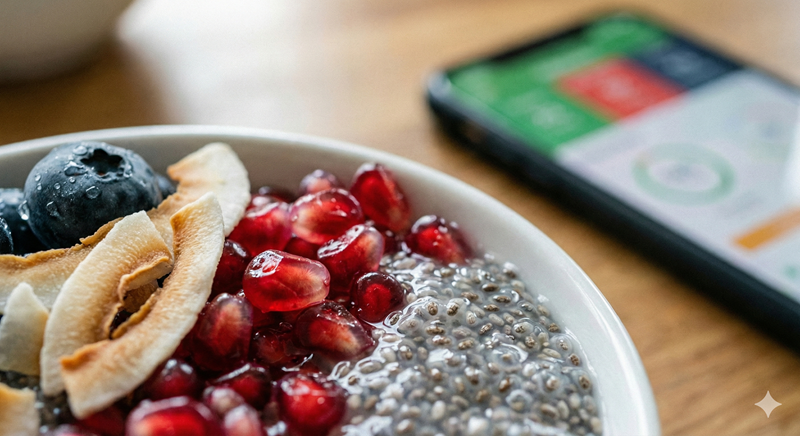
We often eat on autopilot—snacking while watching TV, rushing through lunch at our desks, or finishing a plate just because it’s there. Mindful eating is the antidote to this disconnection, and surprisingly, one of the best tools to cultivate it is a food tracker.
The Observer Effect
In science, the "observer effect" suggests that simply observing a phenomenon changes it. The same applies to your diet. When you know you have to log that extra cookie or the second helping of pasta, you pause. That split-second pause is powerful. It moves you from a subconscious impulse ("I see food, I eat food") to a conscious decision ("Do I really want this?").
Identifying Emotional Gaps
Hunger isn't always physical. Often, we eat because we're bored, stressed, tired, or seeking comfort. Tracking helps you spot these patterns.
If you notice you always reach for sugary snacks at 3 PM, you might realize you're not hungry—you're just hitting an afternoon energy slump that a short walk or a glass of water could fix better than a candy bar.
Quality Over Quantity
Many people fear that tracking leads to obsession, but when done right, it leads to appreciation. Instead of just seeing "calories," you start seeing "fuel." You realize that 500 calories of vegetables and lean protein make you feel vastly different than 500 calories of processed snacks.
This shift in perspective encourages you to choose foods that nourish you, not just fill you up.
Conclusion
Logging your food isn't about judgment or restriction; it's about awareness. It gives you the data you need to understand your body and the mindfulness to enjoy your meals. So next time you log a meal, take a moment to really taste it. Your body (and your mind) will thank you.