

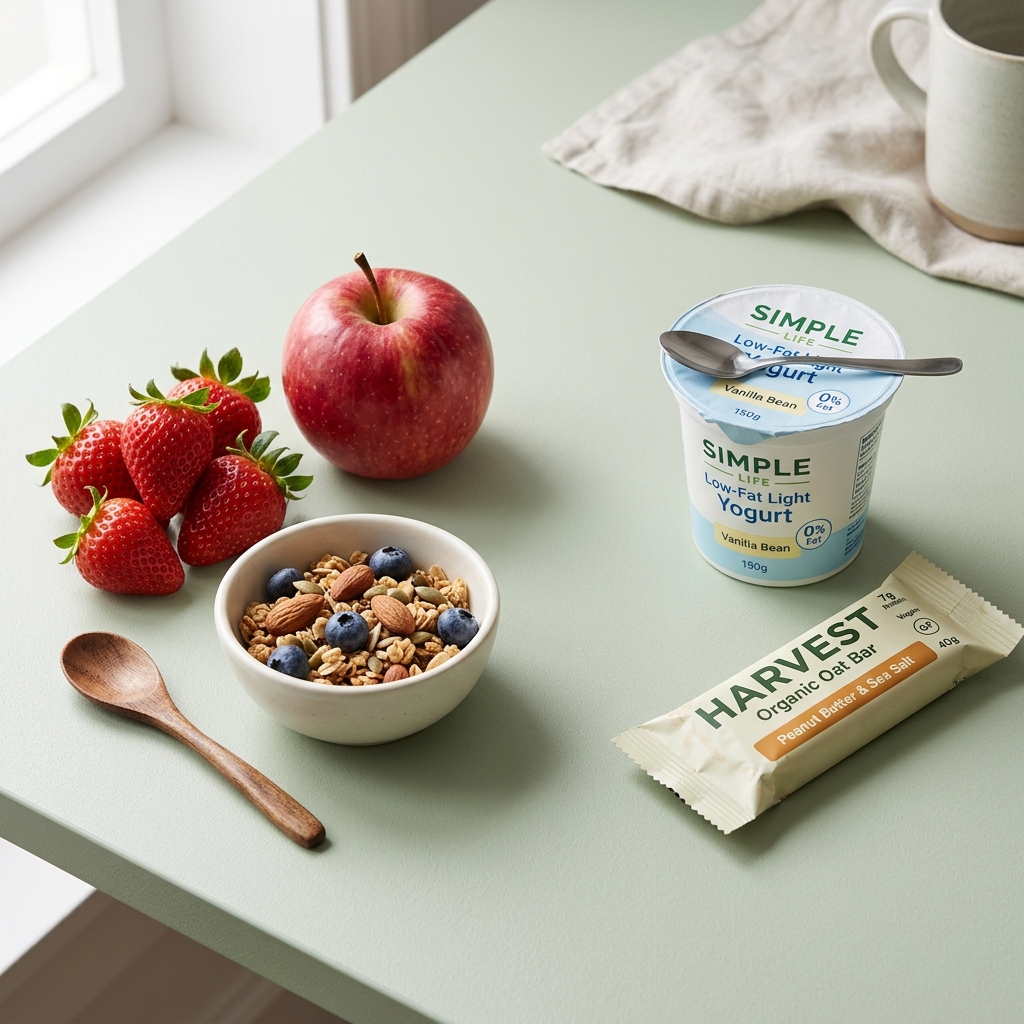
Losing weight can feel like navigating a minefield of conflicting advice. One week carbs are the enemy, the next week fats are bad, and supermarket shelves are constantly flooded with "health foods" that promise quick results. But how many of these rules are actually backed by science?
If you are doing everything "right" but the scale won't budge, you might be falling for common nutrition traps. Let’s debunk five of the most widespread diet myths that could be secretly holding you back.
Myth 1: Fruit Makes You Fat Because of Fructose
With the rise of low-carb diets, fruit has developed a bad reputation. Critics point out that fruits contain fructose (fruit sugar), which is processed by the liver and can be converted into fat if consumed in excess.
The Reality: Whole fruit is not the same as high-fructose corn syrup in sodas. In processed foods, isolated fructose goes straight to the blood, spiking insulin and overloading the liver. In whole fruit, however, fructose is bound to water and a matrix of dietary fiber. This fiber slows digestion and absorption dramatically, preventing insulin spikes and keeping you full. You would have to eat kilograms of apples or berries in one sitting to reach a critical dose of fructose—which is practically impossible.
Myth 2: Eating After 6 PM Puts on Extra Weight
We’ve all heard the rule: "No eating after 6:00 PM." The myth suggests that the body's metabolism shuts down or slows to a crawl when you sleep, causing any food eaten late at night to be stored directly as body fat.
The Reality: Your body does not have a clock that decides to store fat based on the time. A calorie is a calorie, whether you eat it at 8:00 AM or 10:00 PM. Ultimately, weight loss is governed by your total daily energy balance. The reason late eating is linked to weight gain is behavioral: people snacking late at night tend to choose high-calorie, ultra-processed comfort foods (chips, ice cream) while watching TV, rather than eating mindfully. If you stay within your calorie goals, eating late won't make you gain weight.
Myth 3: Light and Low-Fat Products Are Ideal for Diets
It seems logical: if you want to lose fat, buy foods labeled "low-fat" or "light." Supermarket shelves are packed with light yogurts, dressings, and snacks designed to appeal to calorie-conscious shoppers.
The Reality: When fat is removed from food, much of the flavor and texture goes with it. To compensate and make the food palatable, manufacturers often add thickeners, starch, artificial flavorings, and—worst of all—extra sugar. Furthermore, light labels trigger a psychological phenomenon called the "health halo." Because our brain perceives the food as "guilt-free," we often end up eating double the portion size, consuming more total calories than we would have with a normal, satisfying version.
Myth 4: Sorbet is Always the Healthier Ice Cream Choice
When summer rolls around, many dieters choose sorbet over traditional dairy ice cream. Since sorbet is made from fruit and contains virtually zero fat, it is widely considered the ultimate waistline-friendly treat.
The Reality: While sorbet has no fat, it lacks the protein and fat that slow down digestion. To give sorbet its smooth, scoopable texture and balance the acidity of the fruit, manufacturers must add a massive amount of sugar. Without fat or protein to slow it down, this sugar enters your bloodstream rapidly, causing a sharp spike in blood sugar followed by an inevitable crash, which triggers intense sugar cravings. A single scoop of quality dairy ice cream, on the other hand, contains fat and some protein (from milk/cream), which digests slowly and keeps you satisfied much longer.
Myth 5: You Need Specialized "High-Protein" Products to Get Fit
From high-protein bread and puddings to specialized fitness cookies, protein has become the ultimate marketing keyword. Many believe that to build muscle or lose weight, they must buy these modern, protein-enriched foods.
The Reality: The German Nutrition Society (DGE) recommends a daily protein intake of 0.8 grams per kilogram of body weight for average adults, and slightly more (1.2 to 2.0 grams) for active individuals. This requirement can easily be met through a balanced diet of natural, whole foods. Specialized high-protein products are not only expensive, but they are also highly processed, often containing artificial sweeteners, thickeners, and preservatives. You are better off getting your protein from natural, nutrient-dense sources like eggs, Greek yogurt, Quark, legumes, and nuts.
Web Resources
For more scientific information on sugar, protein, and metabolism, check out these research sources:
- Harvard T.H. Chan School of Public Health: Added Sugar in the Diet
- Healthline: Does Eating Late at Night Cause Weight Gain?
- Harvard Health Publishing: When it comes to protein, how much is too much?
Conclusion
Successful weight loss doesn't require avoiding fruit, starving after 6 PM, or buying overpriced high-protein puddings. Focus on whole, nutrient-dense foods, monitor your overall daily calorie balance, and choose options that make you feel satisfied.
Want to simplify your health journey? Use the FoodTrackr app to log your meals, track your calories, and get an honest, science-backed look at your daily nutrition goals.