

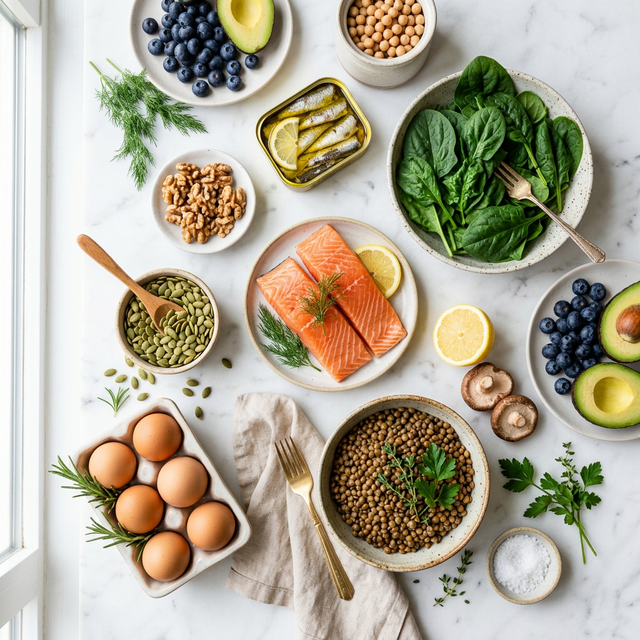
In the fitness and health community, the conversation often revolves around macronutrients: protein, carbs, and fats. While understanding your macros is incredibly useful for body composition and energy levels, tracking only macros can sometimes lead you to neglect the microscopic heavy-hitters of your diet: micronutrients.
Vitamins and minerals don't provide energy themselves, but they are the spark plugs that keep your engine running smoothly. Essential daily functions—from your immune system to your sleep cycles—rely entirely on these tiny compounds. Despite their importance, several key nutrients are notoriously lacking in modern diets, especially for health-conscious people, vegetarians, or those focusing heavily on weight loss.
Here are five critical micronutrients that you might be missing as a beginner or experienced dieter, and exactly which foods you should add to your grocery list to fix that.
1. Iron: The Oxygen Carrier
Iron is a crucial component of hemoglobin, the protein in red blood cells that transports oxygen from your lungs to the rest of your body. When iron levels dip, so does oxygen delivery, leaving you feeling chronically exhausted, weak, or dizzy. The World Health Organization recognizes iron deficiency as one of the most widespread nutrient deficiencies globally.
- Who is at risk: Women facing heavy menstrual cycles, pregnant women, vegetarians, and vegans, as plant-based "non-heme" iron is less easily absorbed than animal-based "heme" iron.
- Best food sources: Lean meats, seafood, lentils, spinach, pumpkin seeds, and beans.
- Pro tip: Pair your plant-based iron sources with a surge of Vitamin C (like bell peppers or a squeeze of lemon) to dramatically skyrocket your body's absorption rate.
2. Vitamin B12: The Energy and Nerve Protector
Vitamin B12 is indispensable for blood formation, DNA synthesis, and maintaining a healthy nervous system. A deficiency can sneak up on you over years and manifest as brain fog, tingling in the hands and feet, mood changes, and severe fatigue.
- Who is at risk: Vegans and vegetarians are at the highest risk, as B12 is found almost exclusively in animal products. Older adults are also vulnerable due to declining absorption rates.
- Best food sources: Clams, liver, salmon, eggs, and dairy. For plant-based eaters, nutritional yeast and fortified plant milks are essential.
3. Vitamin D: The "Sunshine" Vitamin
Vitamin D acts more like a hormone than a vitamin, directly instructing your cells on how to absorb calcium for strong bones and how to bolster your immune response. Since few foods naturally carry significant amounts of Vitamin D, sunlight is meant to be our primary source. However, modern indoor lifestyles leave a massive portion of the population deficient, especially during winter months.
- Who is at risk: Almost everyone during darker months, those who wear sunblock religiously, and people living far from the equator.
- Best food sources: Fatty fish (salmon, trout, mackerel), egg yolks, and fortified foods like dairy or plant milks.
- Note: Because diet alone often falls short, many experts recommend supplementing Vitamin D, particularly in winter.
4. Omega-3 Fatty Acids: The Brain and Heart Ally
Omega-3s are essential fats your body cannot produce on its own. They form the structural foundation of your cell membranes and excel at quelling chronic inflammation, supporting heart rhythm, and maintaining cognitive function as you age. Deficiencies can present as dry skin, joint stiffness, or persistent low mood.
- Who is at risk: Anyone not consuming fatty fish regularly. While vegan diets are often packed with healthy fats, they typically lack the specific active forms of Omega-3s (EPA and DHA) found in marine life.
- Best food sources: Salmon, sardines, mackerel, chia seeds, flaxseeds, and walnuts.
- Pro tip: Plant sources provide ALA, which the body must convert to EPA and DHA. Because this conversion is highly inefficient, an algae-based Omega-3 supplement is highly recommended for vegans.
5. Zinc: The Immune and Healing Powerhouse
Zinc is involved in over 300 different enzymatic reactions in your body. It is the gatekeeper of your immune system, a catalyst for wound healing, and critical for your sense of taste and smell. Frequent illnesses or stubborn skin breakouts can sometimes be traced back to insufficient zinc intake.
- Who is at risk: Vegans, vegetarians, and older adults. The phytates found in whole grains and legumes can bind to zinc and inhibit its absorption.
- Best food sources: Oysters (the undisputed king of zinc), beef, crab, hemp seeds, chickpeas, and cashews.
Spot the Gaps Before You Feel Them
Tracking macronutrients helps you hit your caloric goals, but ignoring your micronutrients is like driving a sports car without changing the oil. Deficiencies rarely happen overnight—they build up silently.
This is where a modern approach to food logging becomes a game-changer. By logging your meals with FoodTrackr, you get an objective, detailed breakdown of your daily vitamin and mineral intake. Tracking them allows you to easily spot whether you are consistently missing critical nutrients like iron, B12, or zinc, giving you the power to adjust your diet before symptoms of deficiency ever appear.
Your health is more than just macros. Take a look at the bigger picture today.